

Key Takeaways
- Sections show vertical spaces, and elevations show the building’s exterior.
- Misreading drawings can cause delays, errors, and extra costs.
- Understanding them improves decisions and keeps the design accurate.
Many construction projects look resolved during early planning, but reveal problems once building begins. Ceiling heights feel uncomfortable. Windows block daylight. Staircases feel tight or awkward. These issues rarely come from poor ideas. They usually come from drawings that were misunderstood or reviewed too quickly. Floor plans receive attention, but other drawings are skimmed.
This is where architectural sections and elevations explained properly can prevent mistakes. These drawings describe height, depth, and spatial relationships. They also guide the structure and exterior form. When they are misunderstood, teams make assumptions. Those assumptions lead to delays, redesigns, and rising costs. This article explains why confusion happens and how to avoid it through a clearer understanding.
Why Sections and Elevations Control Design Outcomes
Floor plans show arrangement but not experience. They explain where rooms sit, but not how they connect vertically. Sections and elevations provide that missing information. They describe how spaces stack, how light enters, and how structure supports design.
When these drawings lack clarity, decisions suffer. Builders interpret details differently. Reviewers raise questions late. Designers must revise under pressure. Understanding architectural sections and elevations explained clearly allows problems to surface early, when changes are easier and less expensive.
What an Architectural Section Really Communicates
An architectural section is a vertical cut through a building. It reveals what sits inside walls, floors, and roofs. Sections explain ceiling heights, floor thickness, stair geometry, and structural alignment. They also show how light and air move through spaces.
Many readers think sections are only for engineers. That assumption is risky. Sections shape comfort and usability. A small change in a section can affect accessibility or safety. Tools like AutoCAD allow accurate section drawings, but clarity still depends on how they are read and reviewed.
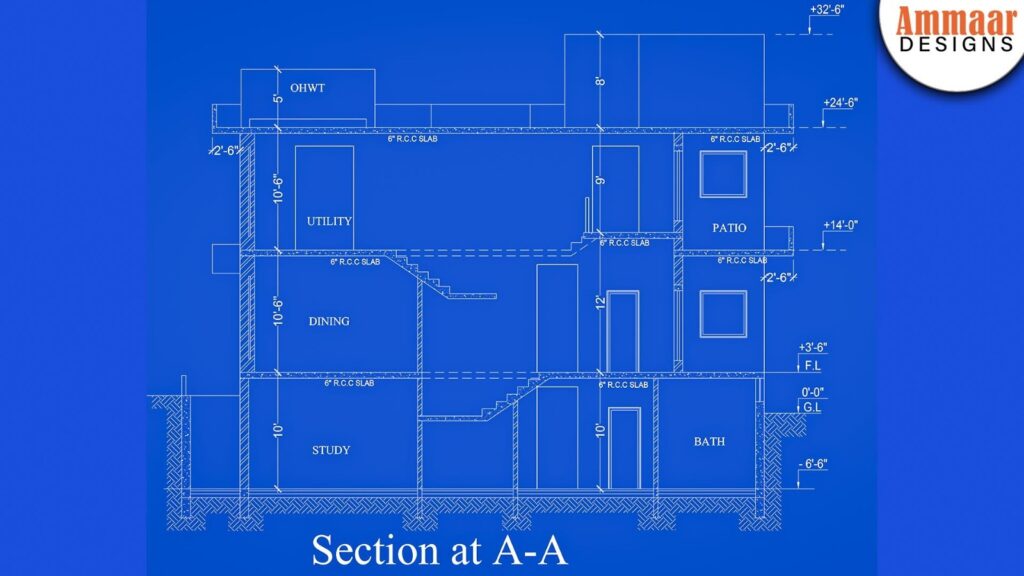
Why Elevation Drawings Are Often Misjudged
Elevation drawings show the building from the outside. They explain proportion, rhythm, and material transitions. Elevations also show how a building responds to the climate through shading and the placement of openings.
Because elevations appear simple, they are often underestimated. Yet many performance issues appear here. Window size affects heat gain. Overhang depth affects glare. A clear understanding of elevation drawings in architecture protects visual quality and long-term performance.
Where Most Reading Errors Begin
Scale creates confusion for many readers. Large spaces shrink on paper. Without checking the scale, heights and distances are misjudged. This leads to incorrect expectations during construction.
Line weight also causes misunderstanding. Thicker lines often show elements cut through. Lighter lines show elements beyond. Without this knowledge, readers misinterpret structure and finishes. Even with tools like SketchUp, poor reading of building section drawings leads to errors.
How Professionals Read Sections and Elevations Together
Professionals never review these drawings alone. Sections, elevations, and plans must support each other. A window shown in elevation must align with the sill heights in the section. Roof slopes must match across drawings.
This coordination prevents conflicts on-site. Contractors rely on it to plan work. Designers rely on it to refine space. Visualization tools like Blender support review, but drawings remain the technical reference. Understanding architectural sections and elevations explained is still essential.
Approval and Compliance Risks
Sections and elevations often support approval review. Height limits, envelope controls, and spatial requirements are defined in these drawings. Errors trigger revision requests and delays.
Approval rules vary by location and project type. This article provides general guidance only. It does not replace professional review or local compliance checks. Clear drawings reduce risk and support smoother approval processes.
What Clients and Developers Should Focus On
Clients often focus on how a project looks. That focus is natural. Yet sections reveal comfort and function. Elevations reveal performance and durability.
When reviewing sections, attention should go to ceiling heights and stair clearance. When reviewing elevations, attention should go to shading and material continuity. When architectural sections and elevations are explained clearly, clients gain confidence and control.
Visualization Tools and Their Limits
Renderings help people understand design intent. Tools like Lumion and Adobe Photoshop turn drawings into images. These visuals support communication during review.
However, renderings simplify reality. Structural depth and tolerances may disappear. Lighting often looks idealized. Drawings remain the technical truth. Visualization supports discussion but does not replace sections and elevations.
Conclusion
Many design problems begin long before construction. They begin with drawings that were misunderstood or overlooked. Learning how to read sections and elevations changes that outcome.
Sections explain vertical function. Elevations explain visual and environmental response. Together, they guide smarter decisions. When architectural sections and elevations are explained clearly, projects move forward with fewer surprises. Exploring professional design services or reviewing project portfolios helps ensure drawings support both vision and reality.
Frequently Asked Questions
What does an architectural section show?
It shows vertical relationships, structure, and spatial depth inside a building.
Why are elevations important for approvals?
They support façade review, height checks, and performance evaluation.
Can non-professionals understand these drawings?
Yes. A clear explanation makes key details accessible.
Do 3D models replace sections and elevations?
No. Models support visualization. Drawings remain the official reference.
When should these drawings be reviewed?
They should be reviewed together at every design stage.
Blog Summary
This article explains why architectural sections and elevations are often misunderstood and how that misunderstanding affects design, approvals, and construction results. It clarifies the role of sections and elevations, common reading errors, and how professionals coordinate these drawings. It also explains approval risks, visualization limits, and how clients can review drawings more confidently. A clear understanding of architectural sections and elevations helps reduce errors, protect budgets, and improve decision-making.