

Homes can look perfect on paper yet feel awkward when built. Rooms may seem cramped, hallways underused, or connections between spaces inefficient. This often happens because of a single overlooked mistake in custom floor plan design. Many homeowners, developers, and designers focus on room sizes, finishes, and aesthetics, but miss how people move through the space. Poor circulation leads to wasted area, higher costs, and long-term discomfort.
This article explains the most common layout error, why it occurs, and how professionals address it using best practices, proven tools, and workflow strategies. Understanding this problem early allows homeowners and design professionals to plan smarter, save money, and create functional, comfortable living spaces.
Circulation Flow: The Hidden Core of Floor Plans
In custom floor plan design, circulation flow is how people move through a building. It includes hallways, room transitions, and connections between private and shared spaces. Ignoring circulation leads to rooms that feel isolated or awkward to use.
Effective circulation ensures natural movement and supports daily activities. Designers consider paths between kitchens, bathrooms, bedrooms, and living areas to maximize efficiency. Poor circulation can make a home feel smaller, even when the square footage is adequate. Understanding this helps prevent costly mistakes during construction.
Why Homeowners Overlook Circulation
Most planning starts with room sizes or aesthetic layouts. Bedrooms, kitchens, and living areas often take priority. Movement paths feel secondary, making circulation an afterthought.
Budget pressures also play a role. Narrow hallways or fewer transitional areas seem like savings, but reduce functional space. In constrained lots, circulation planning may conflict with zoning limits or setback rules, increasing the risk of non-compliance and late design revisions.
Real-World Impacts of Poor Circulation
Flawed circulation affects comfort, safety, and functionality. Noise travels more easily when bedrooms open into busy areas. Furniture placement becomes difficult in rooms with awkward entrances. Light and ventilation suffer when movement paths block windows.
Emergency access and safety compliance may also be compromised. Even small circulation errors influence daily life, resale value, and project costs. Professionals carefully evaluate these risks during the custom floor plan design process to prevent issues before construction begins.
Professional Strategies to Fix Circulation Early
Experienced designers create circulation diagrams before finalizing walls. These diagrams map daily movement, entry points, and room relationships. This ensures rooms connect logically and support natural flow.
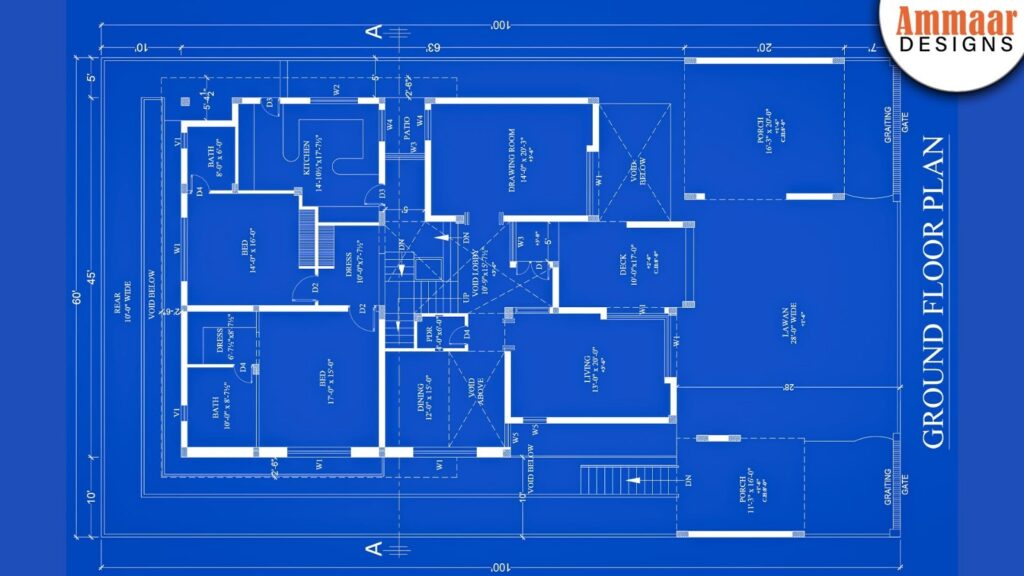
Tools like AutoCAD and SketchUp assist in visualizing space in 2D and 3D. Designers simulate movement patterns, door swings, and furniture layout early. These strategies reduce redesigns, support code compliance, and streamline coordination with contractors.
Adapting Circulation for Climate and Lifestyle
Regional considerations shape circulation needs. In hot climates, seamless indoor-outdoor flow improves ventilation. In colder areas, entry zones act as buffers to reduce heat loss.
Lifestyle and culture also influence movement. Homes designed for multi-generational living may require separate pathways for privacy. Incorporating these factors into custom floor plan design ensures layouts are practical and comfortable across regions.
Cost and Approval Implications
Circulation mistakes have financial consequences. Relocating walls or changing pathways during construction increases labor and material costs. Electrical, plumbing, and structural elements may need adjustments, causing project delays.
Permit reviews often assess corridor widths and exit access. Failing to plan circulation early can result in rejections or modifications. Proper floor plan layout minimizes risk, supporting smooth approvals and predictable construction timelines.
Why Standard Plans Often Fail
Pre-designed layouts seem efficient but rarely match specific behaviors or site conditions. They ignore family routines, accessibility, and future changes.
Custom floor plan design adapts circulation for real use. This prevents expensive post-construction modifications and ensures daily functionality. Standard plans hide these errors until occupancy, making early professional planning essential.
Transparency and Trade-Offs in Design
No plan is perfect. Space limitations, budget constraints, and code requirements force trade-offs. Professional designers discuss these openly, showing how small adjustments improve circulation without compromising room utility.
This honesty builds trust and ensures realistic expectations. Compliance with regional codes, such as minimum hallway widths and exit paths, remains a key consideration in custom floor plan design.
Conclusion
The most overlooked mistake in custom floor plan design is poor circulation. Ignoring how people move through a home leads to wasted space, higher costs, and frustration. Early attention to movement paths enhances comfort, safety, and long-term value.Professionals use diagrams, digital tools, and workflow strategies to optimize layouts. Homeowners, developers, and contractors benefit when designs reflect real use rather than arbitrary room sizes. Careful planning ensures homes are functional, code-compliant, and enjoyable for years to come. Consider exploring professional design services to address these issues early and protect your investment.
Frequently Asked Questions
What is circulation in floor plan design?
Circulation is the path of movement between rooms, hallways, and entrances in a building.
Why is circulation important?
Good circulation improves usability, safety, and efficiency while reducing renovation costs.
Can poor circulation be fixed after construction?
Changes are possible but often costly. Early planning is more effective.
Do tools like AutoCAD solve circulation issues?
Tools assist in visualization and measurement but do not replace professional planning.
Does circulation impact resale value?
Yes. Efficient movement and room connectivity enhance livability and market appeal.
Blog Summary
This article identifies a common yet overlooked issue in custom floor plan design: poor circulation flow. Circulation determines how people move through a home and affects comfort, functionality, safety, and cost. Many homeowners and developers focus on room sizes or aesthetics while neglecting movement paths. Professionals mitigate these problems using diagrams, AutoCAD, SketchUp, and workflow strategies. The article explains impacts on furniture placement, natural light, emergency access, and code compliance. Regional climate, lifestyle, and zoning considerations are also addressed. Early planning improves construction efficiency, usability, and long-term value. Readers learn why attention to circulation is critical and how professional design services help prevent costly mistakes.